The nets between the islands
Written in the Bazaruto Archipelago, Mozambique 2010
Vilanculos is a busy town now. It hums with development and expectation. But along the shoreline, at low tide, life still moves to older rhythms.
From the dunes above the beach, the archipelago lies marooned in shallow water. Dhows sit stranded on sandbanks, their keels exposed. The sea has retreated, leaving behind pools of oily water trapped by the tide, stained by the exhaust of ageing outboard motors. Great piles of dead sea grass line the high-water mark.
Artisanal fishermen wade the shallows looking for crabs and fish. A lone dog prowls the waterline, sniffing and searching. A young boy walks past carrying a string of small fish, twenty or thirty threaded together on a line.
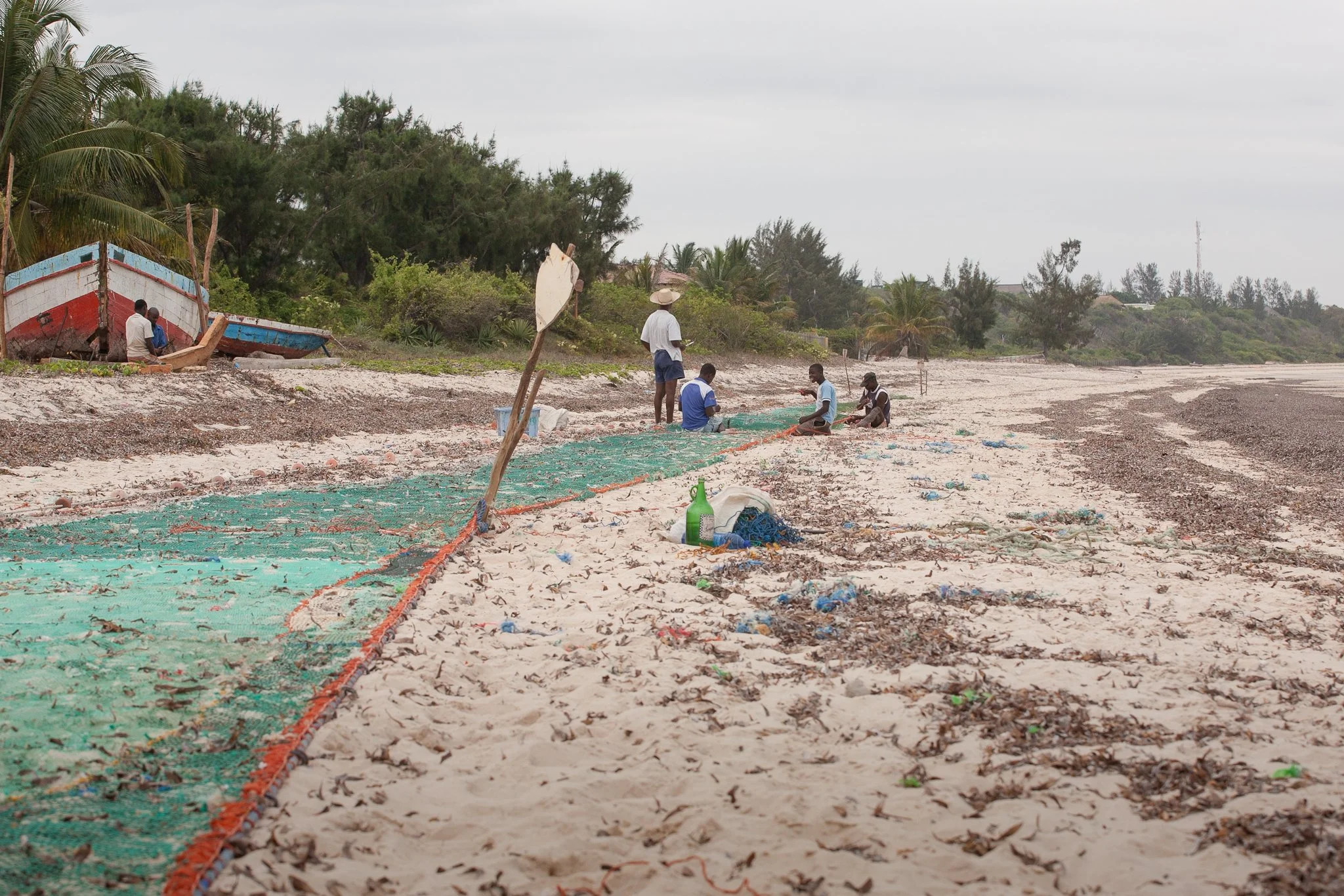
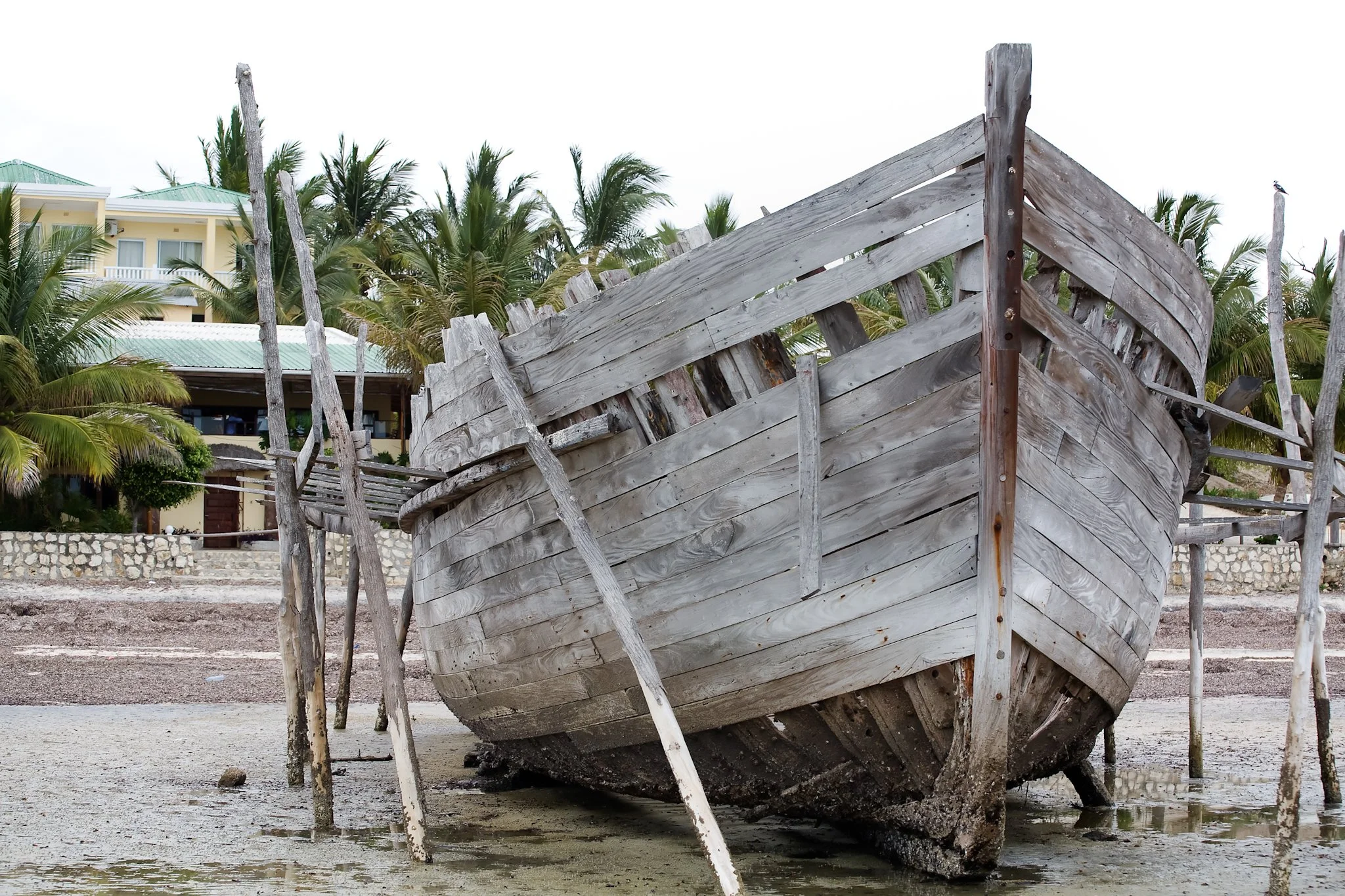
Further along the beach, several fishermen sit repairing a net. It is a long net, at least two hundred metres in length. The work is methodical and unhurried. Nearby, dhows are under construction directly on the sand, shaped and assembled using hand-made tools. This stretch of beach doubles as both workshop and harbour.
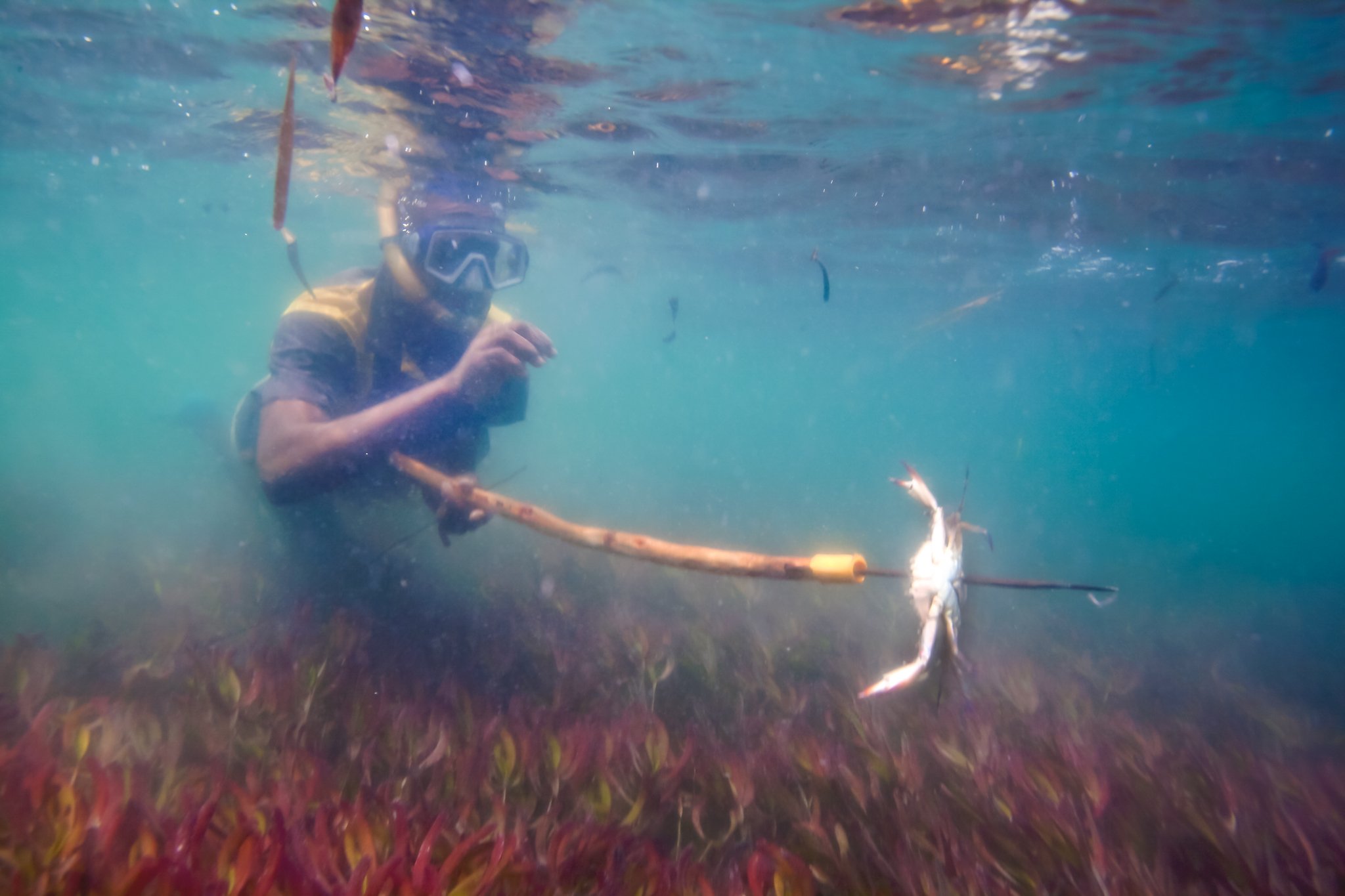
In the shallows, the littoral zone is alive with small, deliberate movements. Fishermen probe the water with long steel spears tipped with sharp barbs. On closer inspection, their main catch is crab, with the occasional dogfish or sea cucumber. Everything is taken by hand, or nearly so.
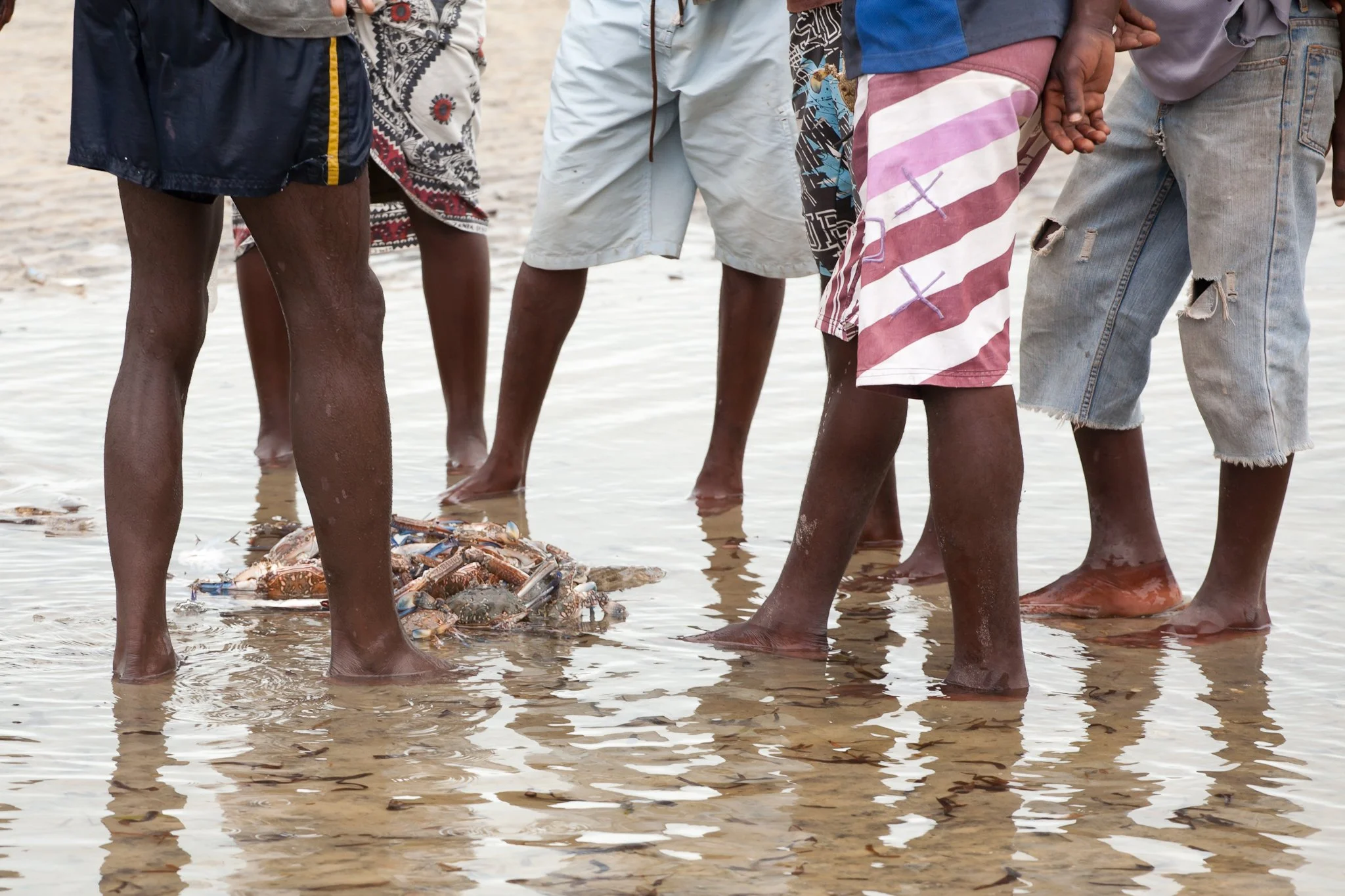
Later, I watch as locals examine the day’s catch laid out on the sand. There is little excess. What is caught is eaten, sold, or traded quickly. Nothing suggests abundance.
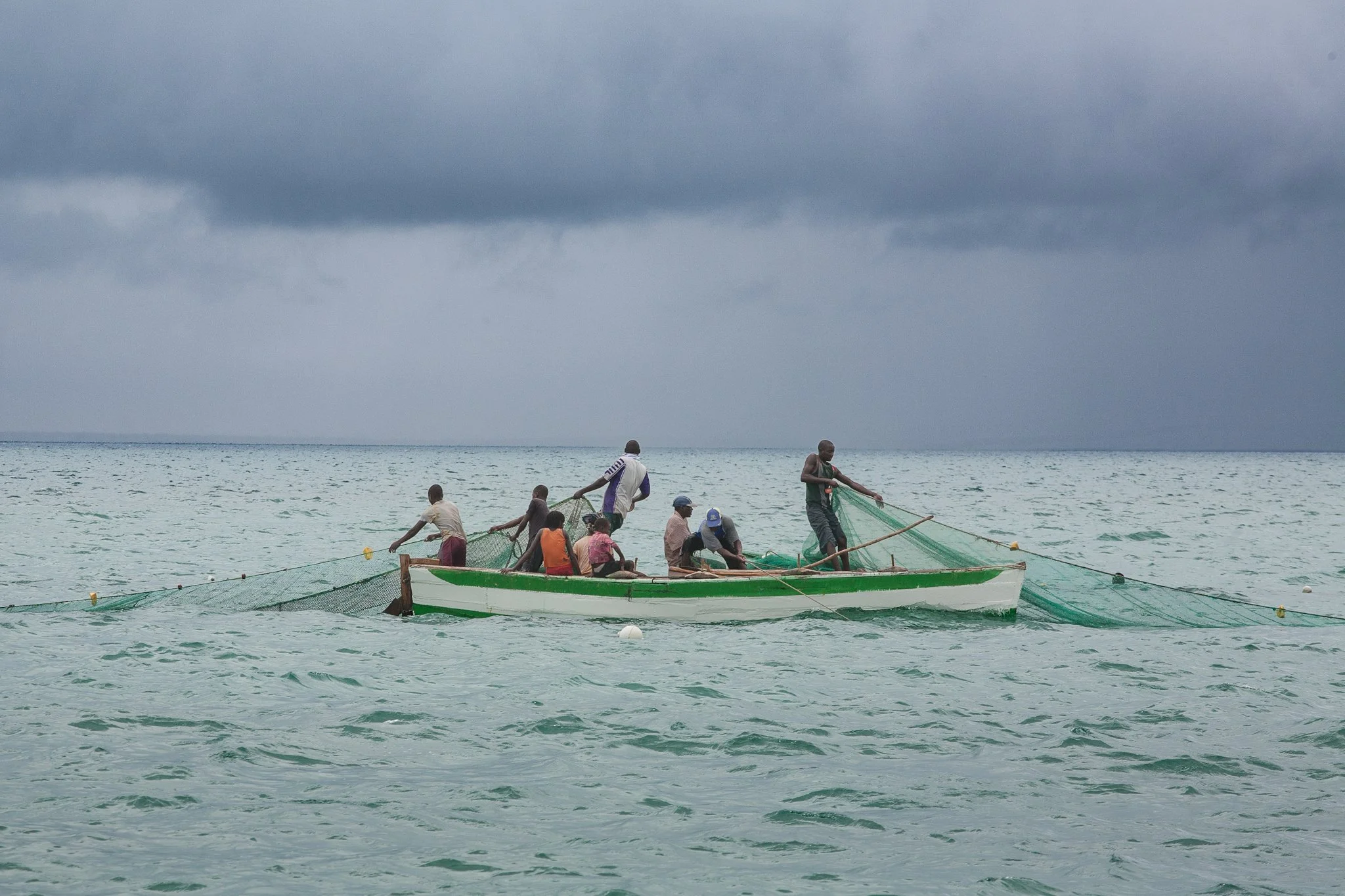
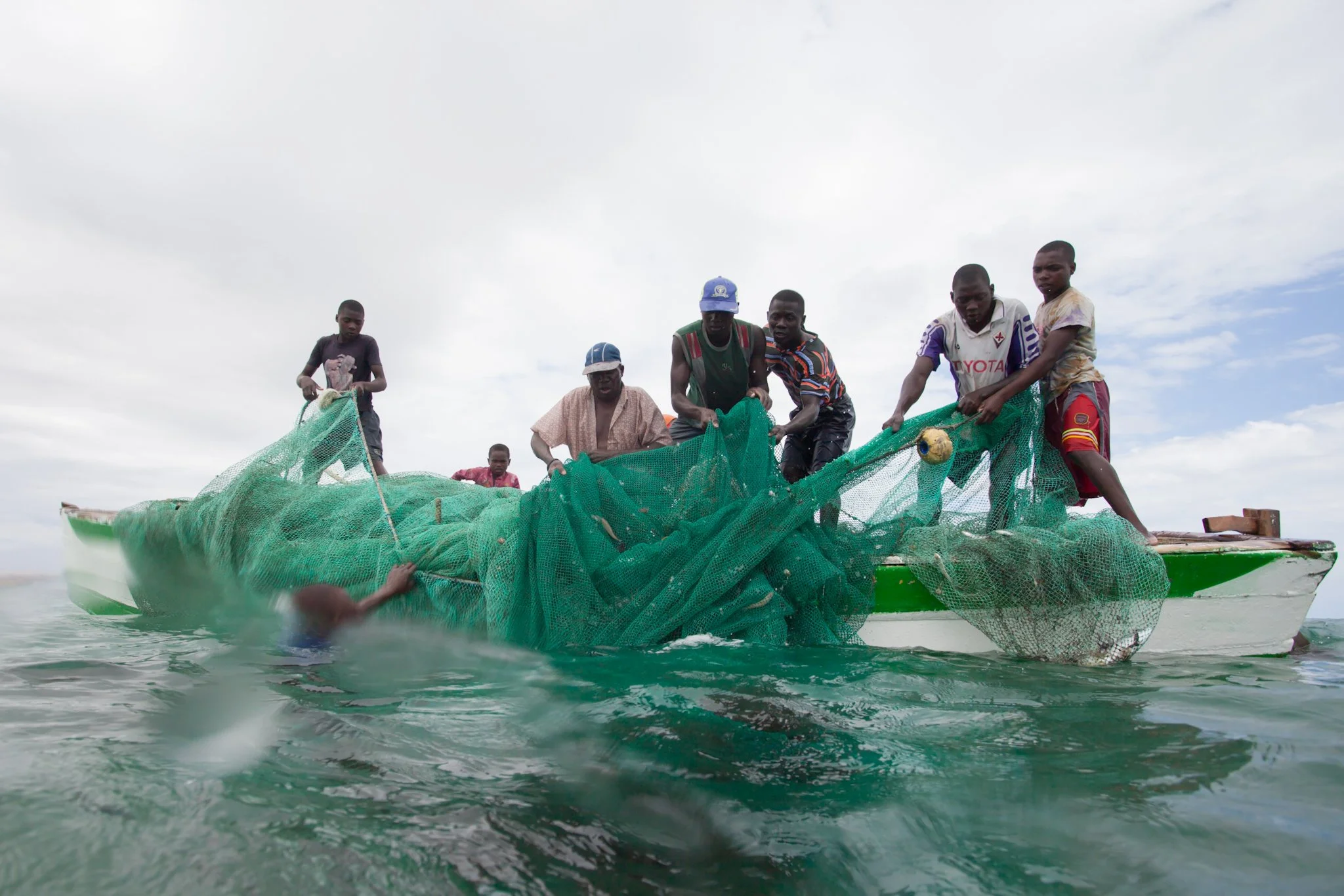
Out in the archipelago’s lagoon, several kilometres from shore, two families work a net together. Two dhows float nearby, each crowded with women, men, and children. More people stand in the water on a low-tide sandbank, hauling in a net that stretches across the shallows.
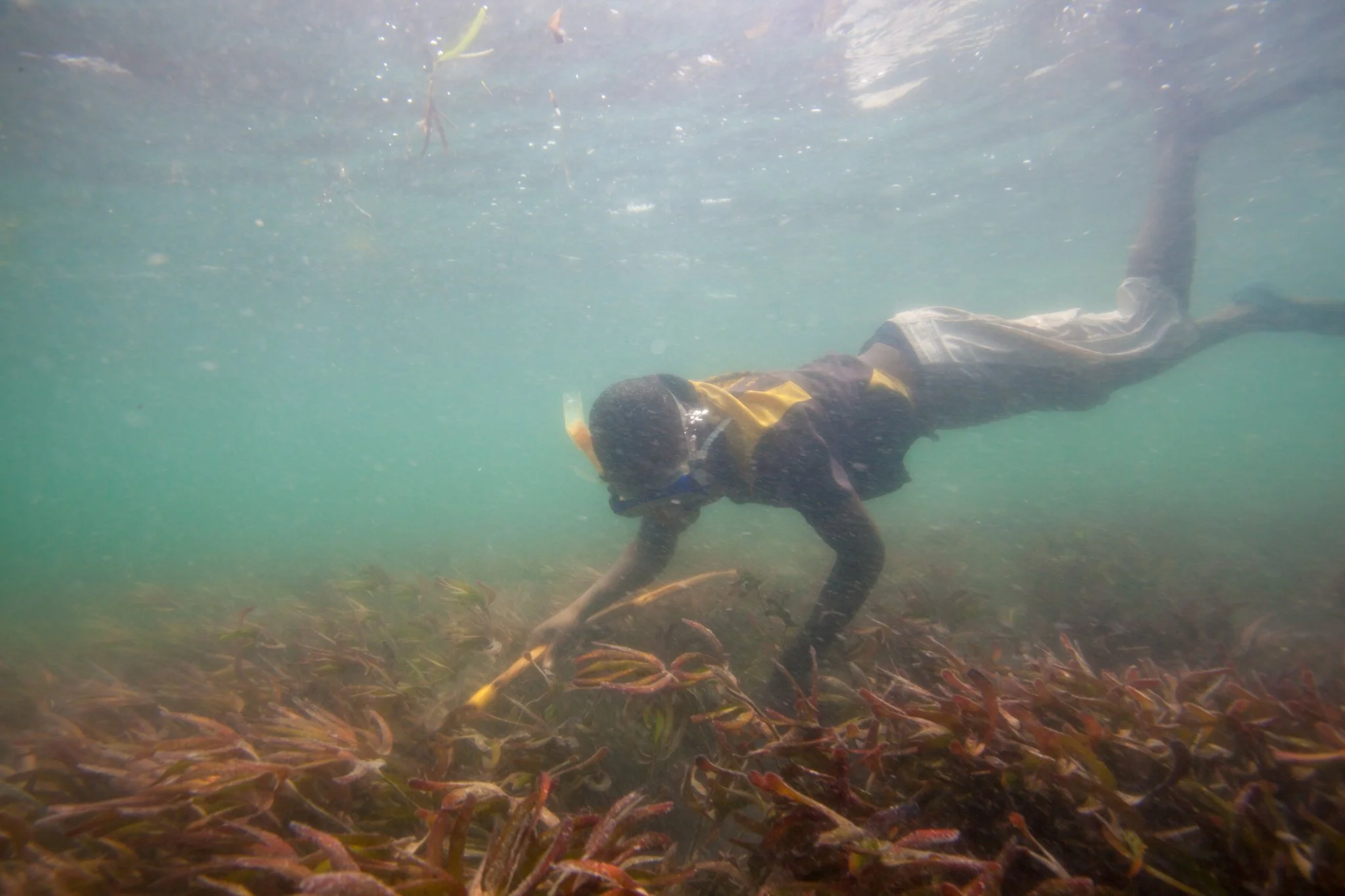
It is a collective effort. Initially, a dozen people pull steadily on the net. As it draws closer, everyone joins in. The net drags across the seabed, bumping and snagging, mowing the sea grass down to short stubble and trapping everything in its path.
As the net nears the boats, several men dive beneath the surface to keep its shape, preventing the catch from spilling out. It is hard, physical work. When the net finally comes aboard, it is almost empty.
Inside are a few bonito, some squid, a baby marbled ray, a remora, and a small bucket of baitfish. This is the closed season for netting, from October to December, yet the effort continues.
There is no celebration. The work simply ends. The net is folded. The boats drift.
Back in Vilanculos that evening, the town feels different. Expatriates fill the bars. Some are employed by large industrial projects in the area. Others are farmers, lodge owners, contractors, suppliers. Development is visible everywhere. Vilanculos feels poised on the edge of a boom.
Menus in the lodges reflect what visitors expect from a coastal holiday: crab, prawns, crayfish, fresh fish. Much of it is sourced locally, purchased from the same artisanal fishermen seen wading the shallows earlier that day.
One man I speak to works as a waiter at a local lodge. His monthly income is approximately 2,500 meticais. A bag of rice sufficient to feed his family of five for a month costs him nearly half that. To make ends meet, he crabs daily before or after his shifts, selling the catch back to the lodges where tourists expect fresh seafood.
Out on the water the next morning, the same patterns repeat. Nets are set. Boats move slowly across the shallows. The sea grass beds bear the marks of repeated hauling. The catch remains small.
It is easy to criticise these methods from a distance. It is harder when standing waist-deep in the water, watching entire families labour together for a return that barely sustains them.
Between the islands, the nets keep moving. They do not discriminate. They are simply tools used in the space where survival, tradition, and demand intersect.